Mechanics and Direct Processing Routes
The team comprises approximately 25 people, including 9 lecturer-researchers and 7 IATOS, including 3 technicians working at the École des Mines Workshop, a service attached to MPE.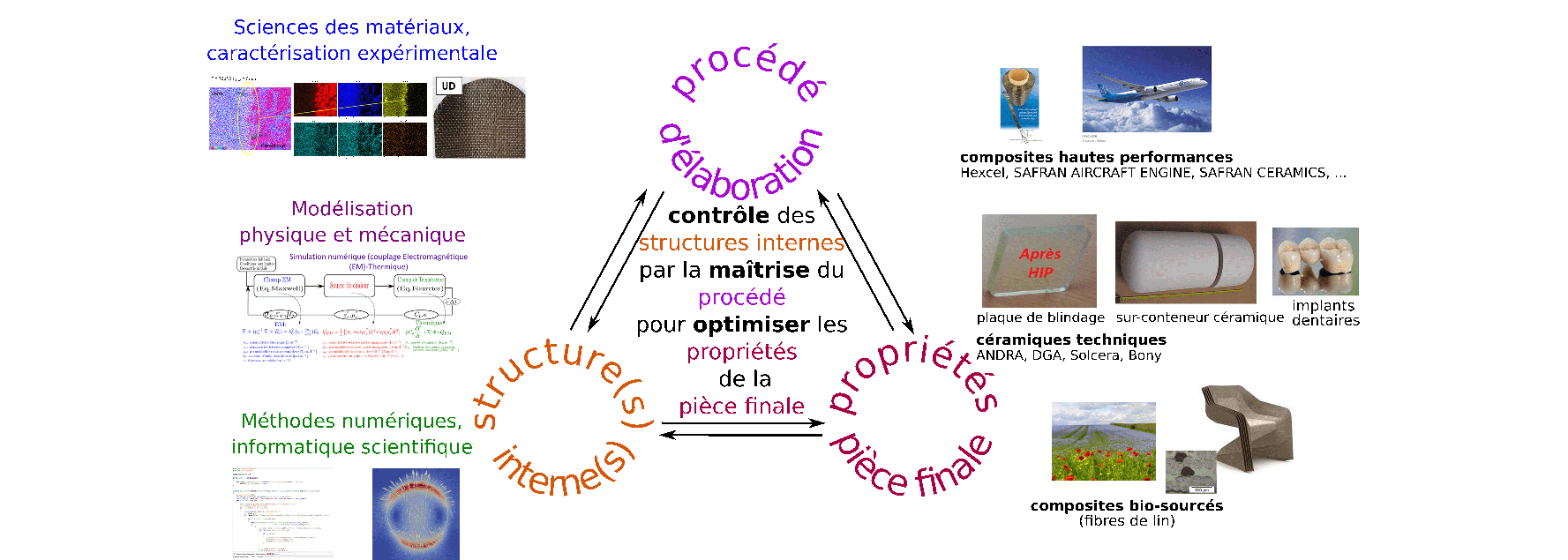
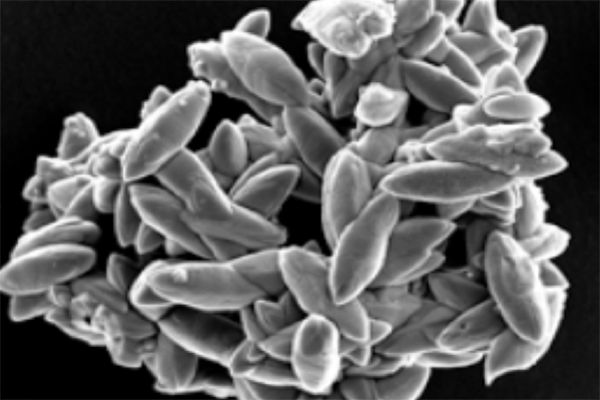
The activities of the MPE team are structured around a main objective: controlling the final properties of the processed material , in particular its internal structure(s), through mastery of the processing route. In this process, the processes considered are direct processing routes, i.e. not requiring material removal, divided into two application areas: powder metallurgy, ceramics or ceramic–metal, and organic-matrix composite materials. In powder metallurgy, the main process studied is sintering, particularly by microwave heating, with applications in the medical field (dental implants), nuclear safety (container sealing), and protection (shielding). The composite manufacturing processes studied by MPE are so-called liquid-route processes, such as liquid resin infusion processes, for applications in aeronautics (high-performance composites based on carbon fibres), or applications in the sports and leisure industry, with biocomposites typically based on flax fibres.
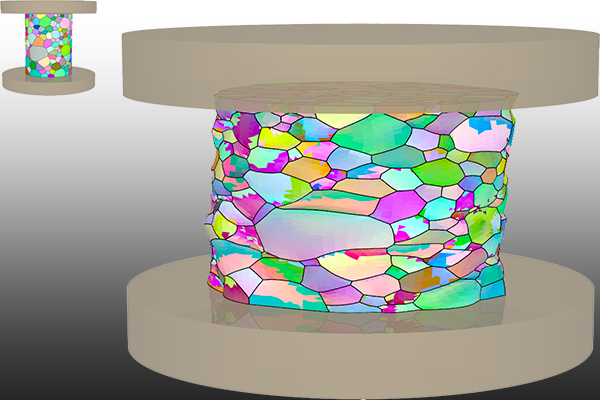
The upstream or applied research carried out around these processes is based on expertise in the following three areas: materials science and experimental characterisation, mechanical and physical modelling, scientific computing and numerical methods. This multidisciplinary approach reflects the different areas of expertise of the MPE team’s lecturer-researchers, who naturally work in a collaborative manner. This research is organised around two axes: