The MPE team is naturally led to focus on the processing of multimaterials, or composite materials in the general sense: fiber composites (synthetic/natural) – polymer, ceramic – ceramic, etc. The morphology and arrangement of these different phases can be extremely varied. Control of the processing method, as well as the induced physical properties of the processed material, strongly depend on the interfaces between the elementary constituents. These interfaces must therefore be characterized and optimized according to the process used and the intended application. The second research focus of MPE is thus devoted to the development of these characterization methods and to the study of the interfaces – processing – induced properties relationship.
The first aspect of this work is the characterization of the wettability phenomenon during the processing of long fiber composites, particularly with retted flax fibers. These characterization methods have been extended to the study of ink impregnation in a powder bed (Metal Binder Jetting process, MPE – CETIM – Mines Alès).
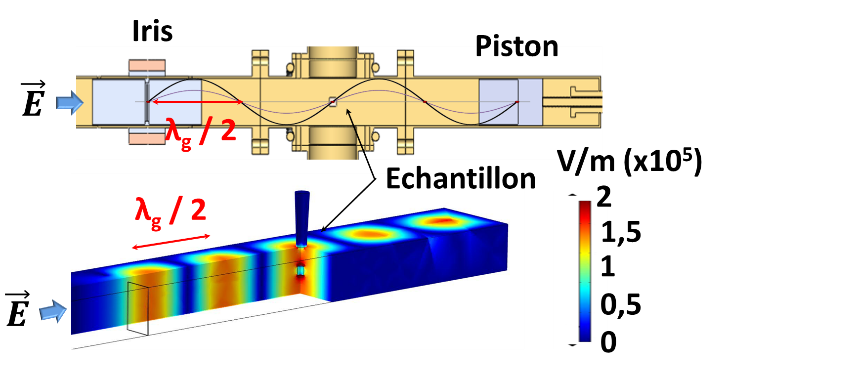
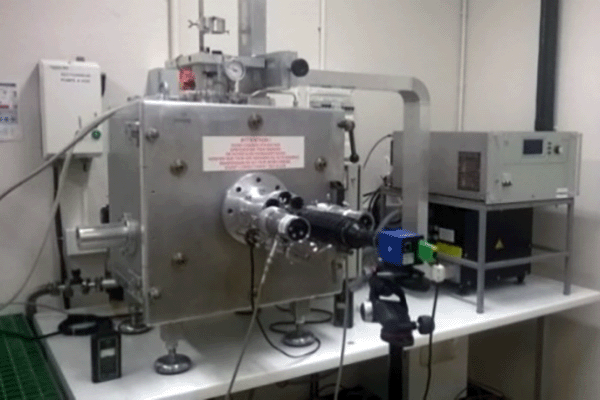
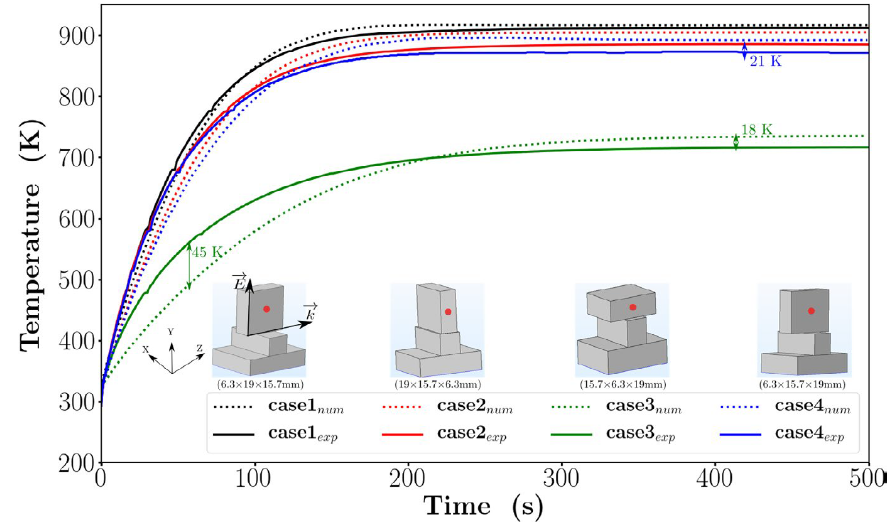
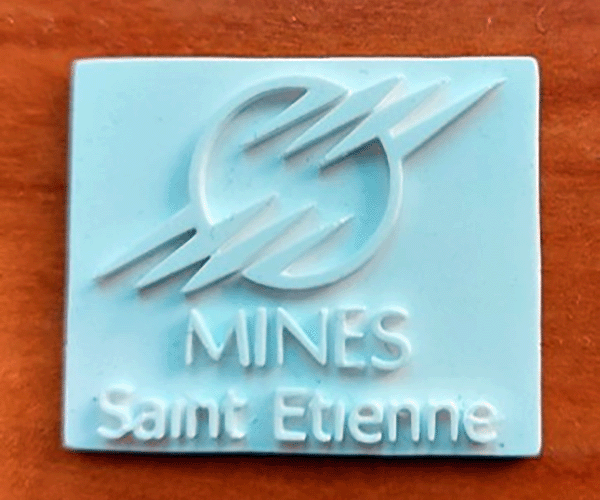
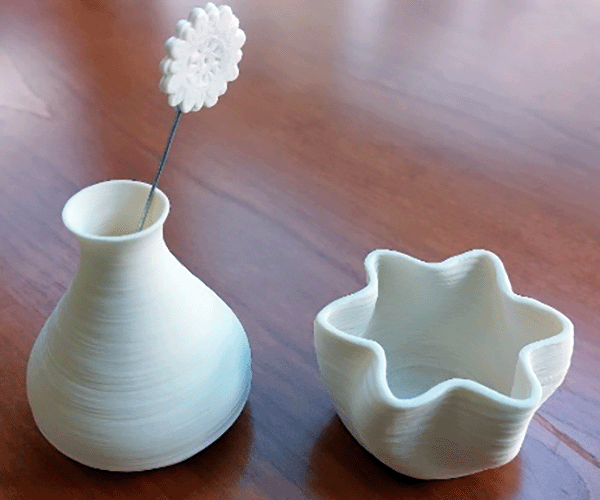
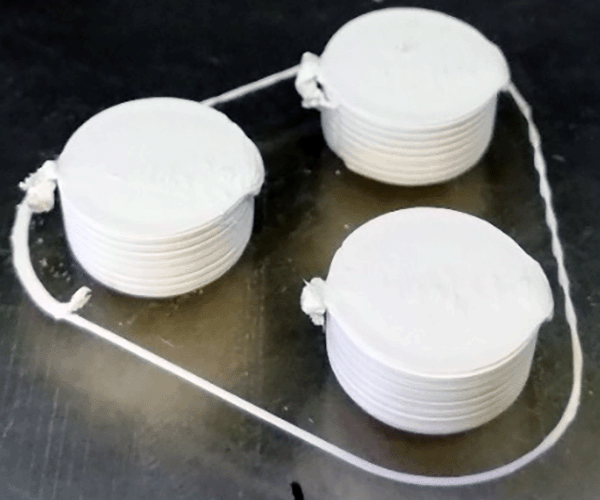
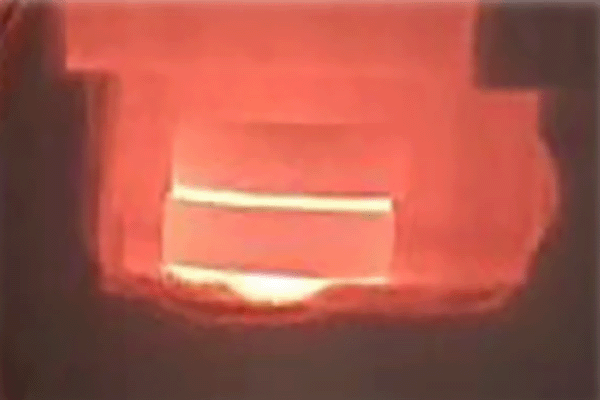
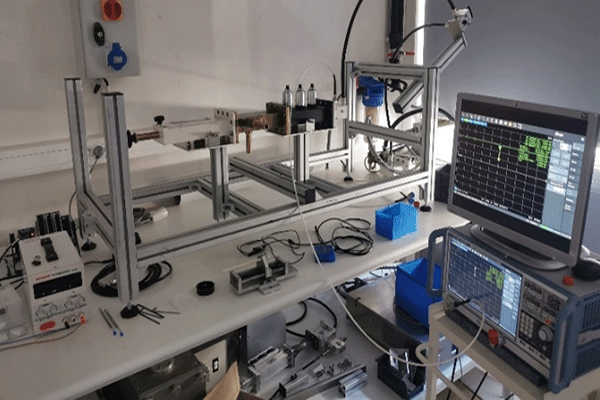
The second aspect of this research axis concerns the characterisation and optimisation of the microwave-field behaviour of ceramic materials or ceramic/ceramic composites. The team is particularly interested in studying microwave-heating sintering of these materials. The laboratory has various instrumented microwave cavities (multimode and single-mode) to monitor in situ material densification. With regard to sintering, the two main objectives are to study densification and to understand microwave–material interactions, using an approach that combines experimentation and numerical simulation. In addition, the team is interested in the shaping of ceramic parts by additive manufacturing. Three processes are studied in particular: stereolithography, robocasting, and fused filament fabrication using ceramic-filled filaments. These processes make it possible to consider manufacturing parts with complex geometries, whose microwave sintering is then studied. The specific features of microwave heating (high heating rates and heating selectivity) can also be leveraged for the selective heating of materials or the study of their reactivity. Furthermore, to better understand microwave–material interactions, a system for measuring temperature-dependent dielectric properties has been developed in the laboratory.
Below are some illustrations of these activities: