MPE
Mechanics and Direct Processing Routes
The activities are structured around a main objective: controlling the final properties of the processed material, in particular its internal structures, through mastery of the processing route.
The PMDM team conducts fundamental research in process engineering, motivated by heavy industrial applications (well-structured chemistry around the AXELERA competitiveness cluster, and energy, nuclear and oil, historical partners). It is based on the following key scientific majors and competencies:
The general scientific objective is to understand and model the multi-scale dynamics of divided media (granular, porous, emulsions). These systems are often the site of coupled phenomena. Synthetically, we start from a solution composed of several chemical compounds in which particles appear through crystallization or precipitation; the particles in the suspension are then filtered or deposited to form a compact stack; the physical properties (static or dynamic) of the resulting dense suspension or powder are studied. Basic research is based on the study of:
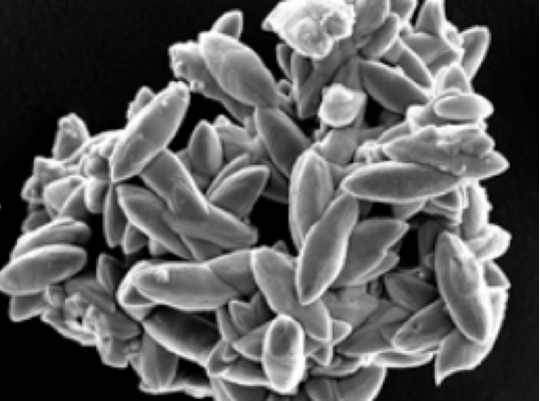
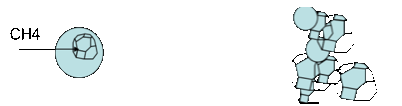
The systems studied include, for example, gas hydrates, cementitious materials, salts, and minerals.
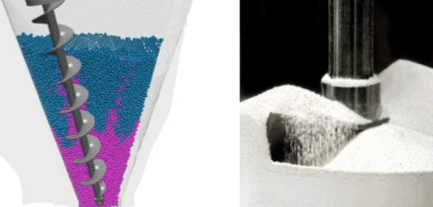
Three scientific research themes are developed within the PMDM team:
Research projects generally rely on one or two of these three themes.
Beyond these three research themes, studies conducted at the laboratory on construction materials and hydraulic binders are at the interface between the “mineral crystallization” and “physics of granular media” themes.
PMDM research focuses on specialties/expertise in powder technology, crystallization, image analysis.
Mechanics and Direct Processing Routes
The activities are structured around a main objective: controlling the final properties of the processed material, in particular its internal structures, through mastery of the processing route.
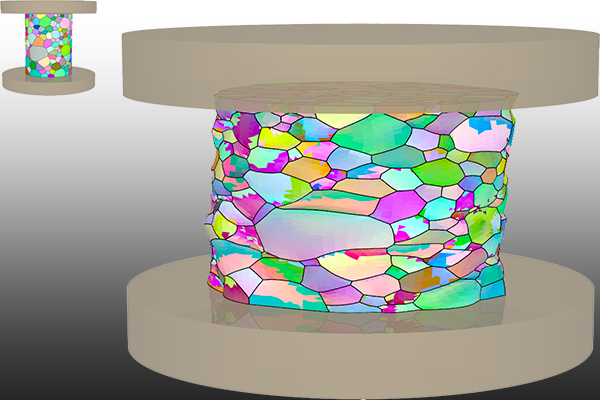
Physics and Mechanics of Materials
The team focuses on the "processes - microstructures - properties" triad within the context of the development and forming of metallic alloys. The objective of our work, which is both academic and industrial, is the optimization of microstructures.
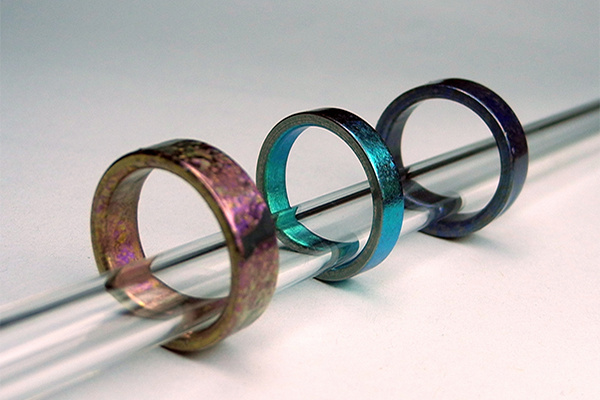
Surfaces, Reactivity and Functionalization
Our activities focus on the reactivity of surfaces and interfaces in materials in contact with the environment, and on the functionalization of surfaces with the aim of obtaining specific properties or functions.